KDR Team • August 15, 2025

Leadership Can Be Emotionally Draining, But It Doesn’t Have to Be

What does emotional recovery look like for leaders?

As a leader, you’re not just managing your responsibilities; you’re managing emotions, change, expectations, and people who count on you. It’s rewarding, yes, but also draining at times. And if we’re not careful, that emotional weight can build up and wear us down. 


Your team doesn’t just need you today. They need you to last. That means we need to be honest about what leadership demands of us, not just logistically, but emotionally.


You do hard things every day, which can leave you feeling drained and conflicted, even if it was the right thing to do. Like giving tough feedback, letting someone go, or supporting a struggling employee without burning yourself out. These moments can leave us questioning if we’re still the kind of leader or person we want to be. That’s why recovery isn’t just a personal wellness thing; it’s a leadership skill.


We often talk about “self-care” like it’s a separate category, manicures, massages, maybe a day off. And while those things are great, they don’t always address the deeper issues that come from a tough day at work. 


Here are a few recovery questions worth exploring:


  • Decompression Rituals
  • What small habit signals the end of your workday? Maybe it’s changing into comfortable clothes when you get home, logging out of your email, or leaving the office at a set time. These tiny rituals cue your nervous system to slow down and shift out of work mode.


  • Emotional Boundary Setting
  • Not everything needs to be absorbed. What’s truly within your control, and what can you set down? Detaching at the end of the day with intention isn’t cold; it’s necessary.


  • Reflect on Impact
  • When was the last time you reflected on your impact or purpose at work, not just your to-do list? Think back to a moment when your leadership made a difference. Holding onto those wins helps us get through the tough days.


KDR Solutions is in your corner, we get it! Feeling this way doesn’t mean you’re doing it wrong. It means you care. The job will still be challenging tomorrow, you’ll still feel stretched, but you get to decide how to show up. 

By David Bauer January 15, 2026
One of the most common leadership challenges we see across organizations is under-communication. It rarely shows up as silence. It shows up as assumptions.
By David Bauer December 22, 2025
If you’ve ever been in the middle of managing something truly urgent and had a team member approach you with what felt like a small concern, you know the tension I’m talking about. You’re triaging an urgent patient situation. A serious operational decision is unfolding. Your brain is fully in Fast Think mode. And suddenly, someone is standing next to you asking about next week’s schedule, a minor process question, or a frustration they want to talk through right now. So you told the truth, you didn’t have time. Later, you find out they felt dismissed. Or unheard. Or confused about why you didn’t seem willing to help. No one did anything “wrong,” but the disconnect still created friction. This is exactly where shared language matters. In earlier blogs , we talked about why a common language on a team is essential and how understanding Slow Think versus Fast Think helps teams work more effectively together. This tool builds on both of those ideas. The reality leaders don’t always say out loud: Many leaders, especially in healthcare, wear multiple hats at the same time. For example, you’re often switching between three distinct roles: Doctor Entrepreneur Leader The challenge is that those hats don’t always change on command. When you’re deep in your doctor role, managing a retinal concern, an acute red eye, or an unexpected complication, it can be genuinely hard to pivot immediately into your leader role and give a team member the time and attention they deserve. That doesn’t mean their concern isn’t important. It means the timing isn’t aligned. Most frustrations on teams come down to misaligned expectations, not bad intentions. I ntroducing the “Now, Soon, Later” language: “Now, Soon, Later” is a simple prioritization tool that gives teams shared language around timing without minimizing importance. The core question is: “Is this a now, a soon, or a later thing?” That’s it. Simple. Powerful. When leaders consistently use this language, a few important things happen. First, it reminds your team that you are balancing multiple roles and responsibilities in real time. If you can’t address something immediately, it’s not because it doesn’t matter. Second, it reassures them that there is a reason you may need to wrap up a conversation quickly or defer it altogether in that moment. Third, it gives them a framework to think through when and how they bring things to you. Over time, people naturally start to self-prioritize before interrupting. What this sounds like in real life: You might say: “I want to hear this. Is this a now, soon, or later thing?” “I’m in a now situation clinically. Can we put this in the soon bucket and circle back?” “This feels like a later conversation. Let’s find a time where we can both be present.” And yes, sometimes you may need to gently recalibrate expectations after the fact. That could sound like, “I’m not sure we’re on the same page yet about what counts as a now versus a soon. Let’s talk through that.” For this tool to work, follow-through matters. If you put something in the “soon” or “later” bucket and never come back to it, trust erodes quickly. The language only works when your actions reinforce it. Circling back doesn’t have to be elaborate. Even a quick: “Hey, you mentioned this earlier. I wanted to make sure we reconnect on it.” This language isn’t just for deflecting interruptions. It’s also a powerful way to show respect for your team’s workload. For example: “Susie, I have a few projects I’ll need from you, but none of them are a now. Let’s find a time that works with your current priorities to talk through them.” This approach acknowledges their capacity, avoids urgency inflation, and sets the tone for thoughtful planning instead of constant reaction.
By KDR Team October 13, 2025
Discover the power of "Slow-Think/Fast-Think" to transform your communication and build trust.
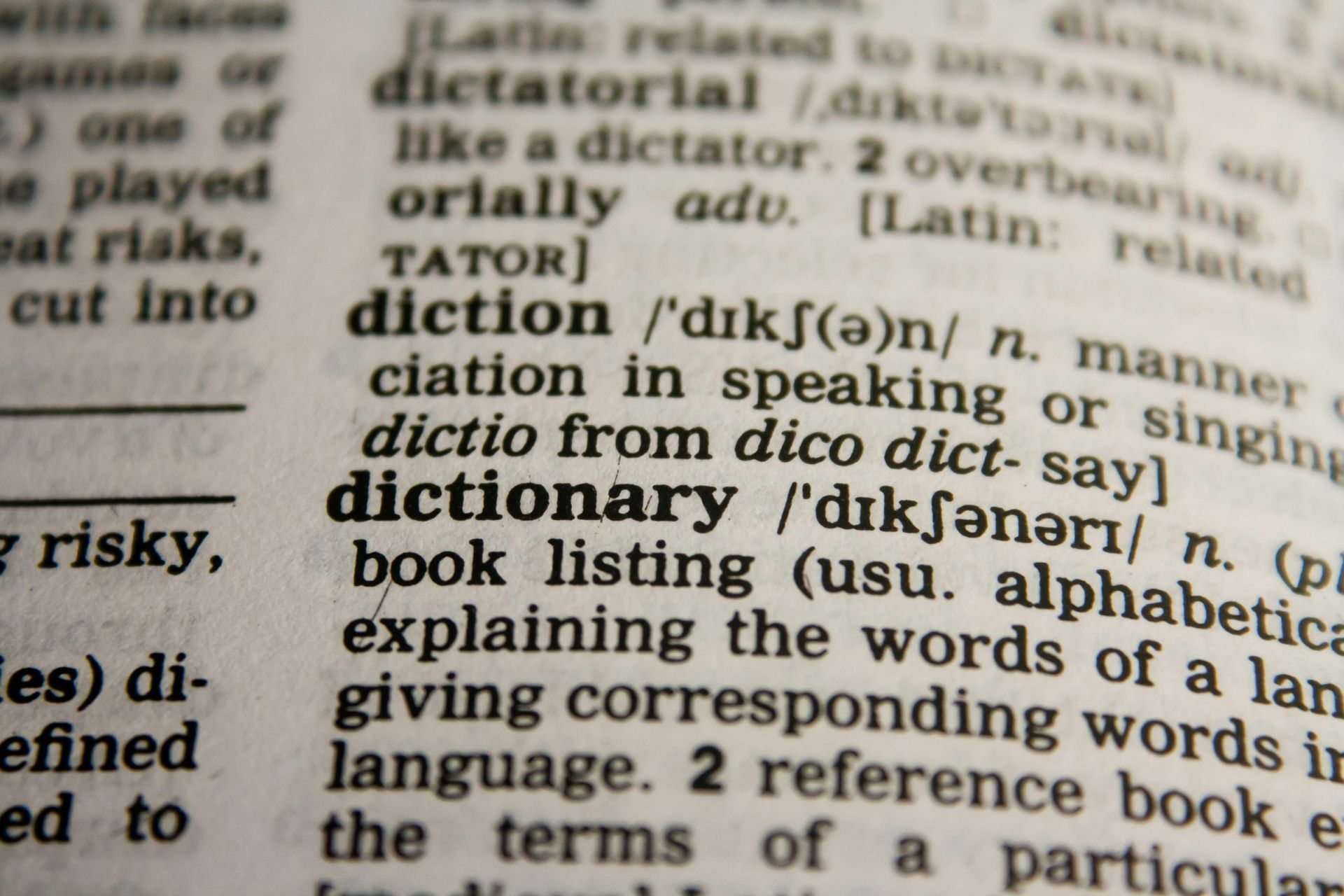
Image of a dictionary page, defining the word dictionary
By KDR Team September 17, 2025
Communication can feel threatening. But what if your team had the same playbook for conversations? That’s the power of a “common language.”
By KDR Team July 16, 2025
Why Fixing Everyone's Problems Is Holding Your Team Back
By KDR Team June 20, 2025
Great leaders schedule what's important; they don't just hope to find time.
By KDR Team May 13, 2025
Ever feel like you're running circles and getting nowhere fast with your team?
By KDR Team April 22, 2025
Hey friends, I want to talk about two words that get tossed around quite a bit, responsibility and accountability.
By KDR Team March 20, 2025
Why Your Onboarding Process is Broken (and How to Fix It)
Woman covering eyes, feeling frustrated, in front of a white wall.
By KDR Team January 16, 2025
The workforce is shifting, expectations are evolving, and pressures keep piling on. But here’s the deal: you can let it make you bitter, or you can let it make you better. Here are steps you can take to end the pity party and take back control.